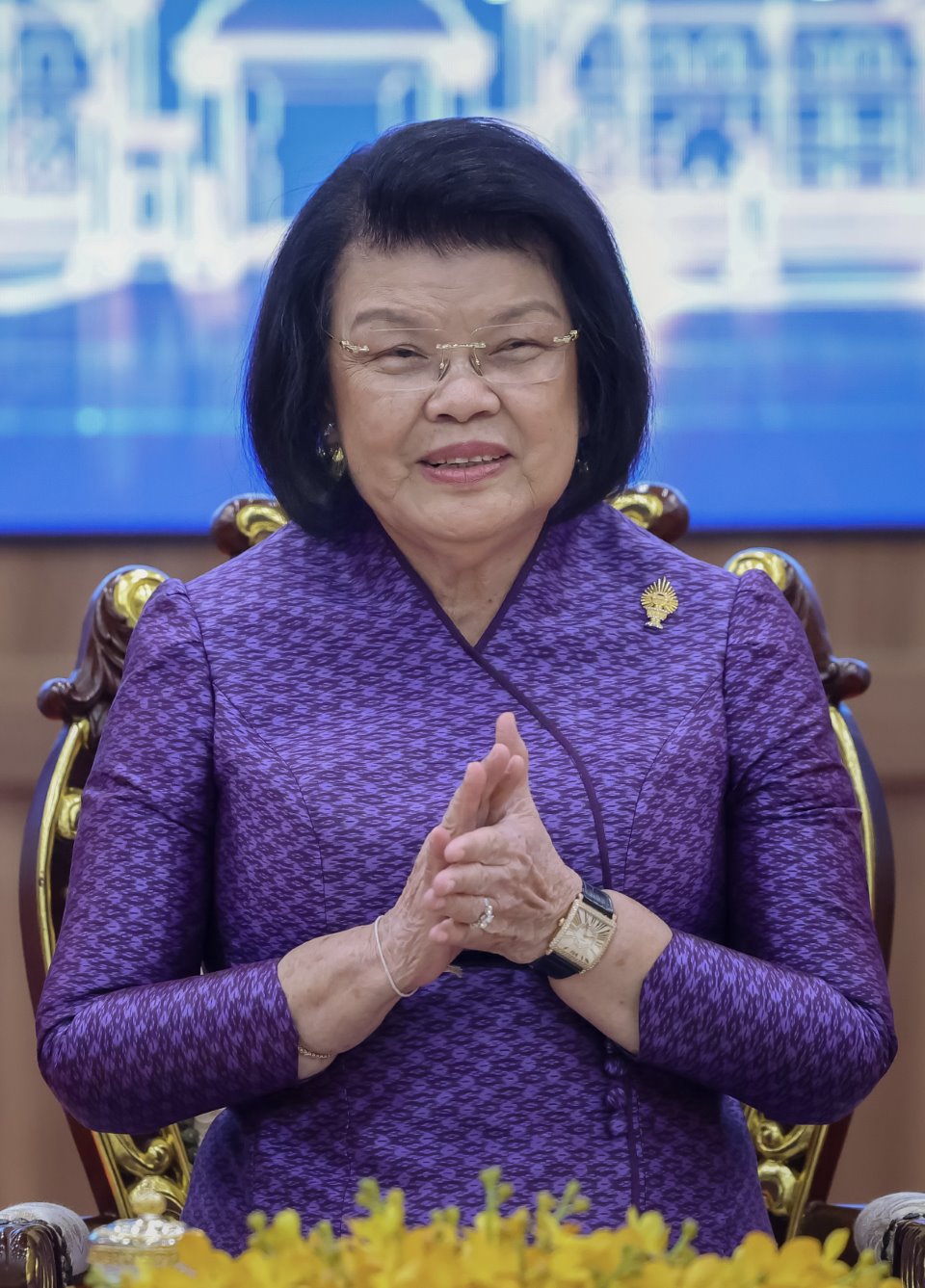
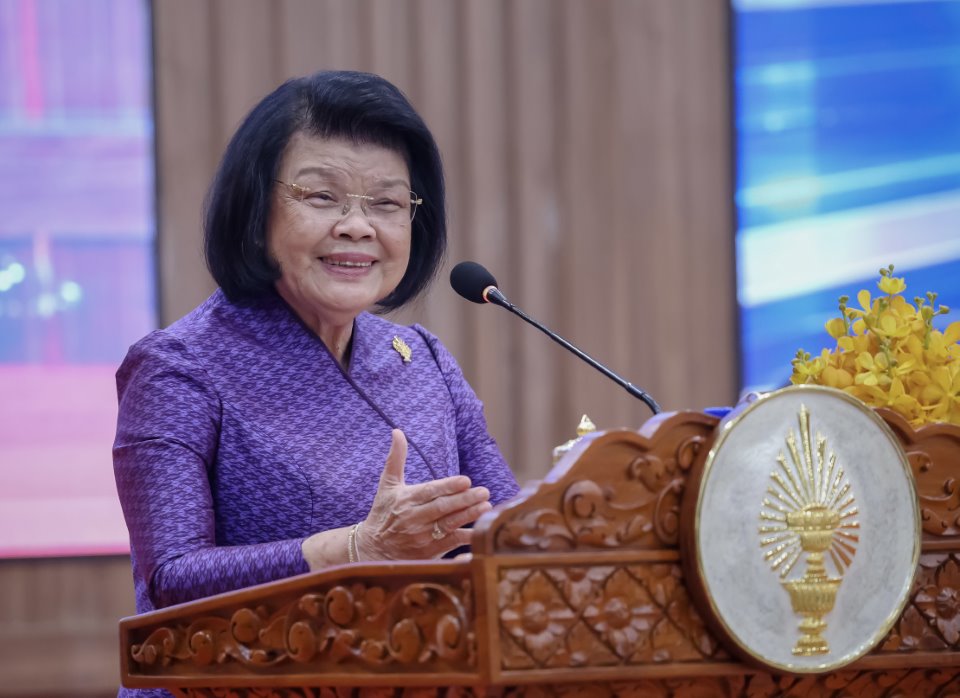
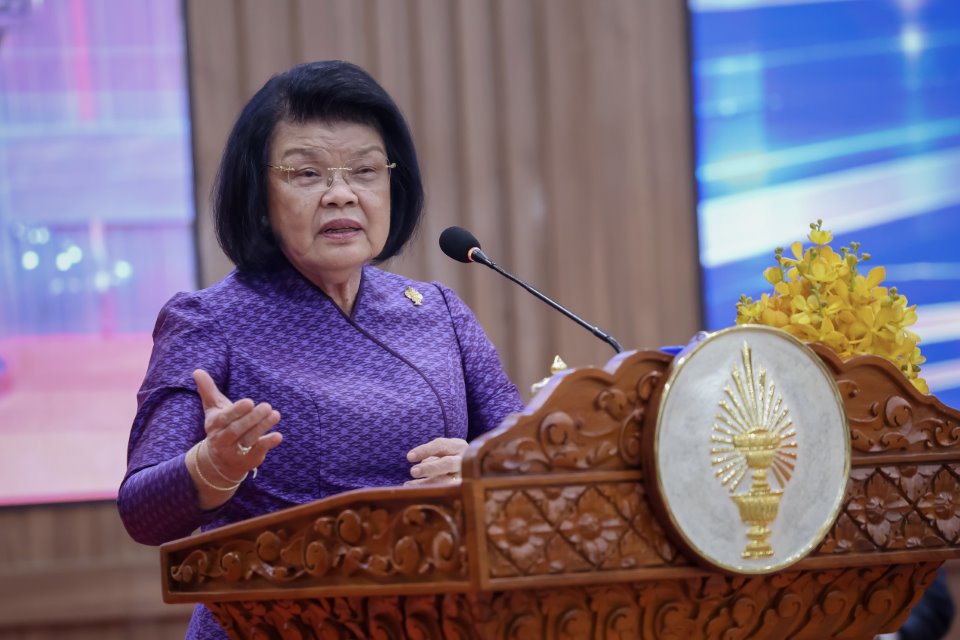
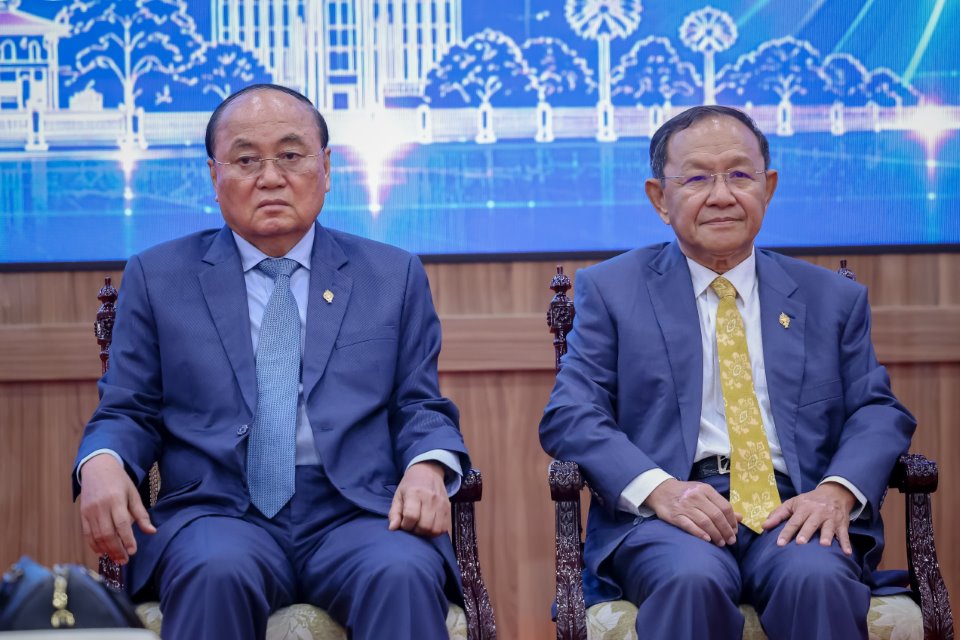
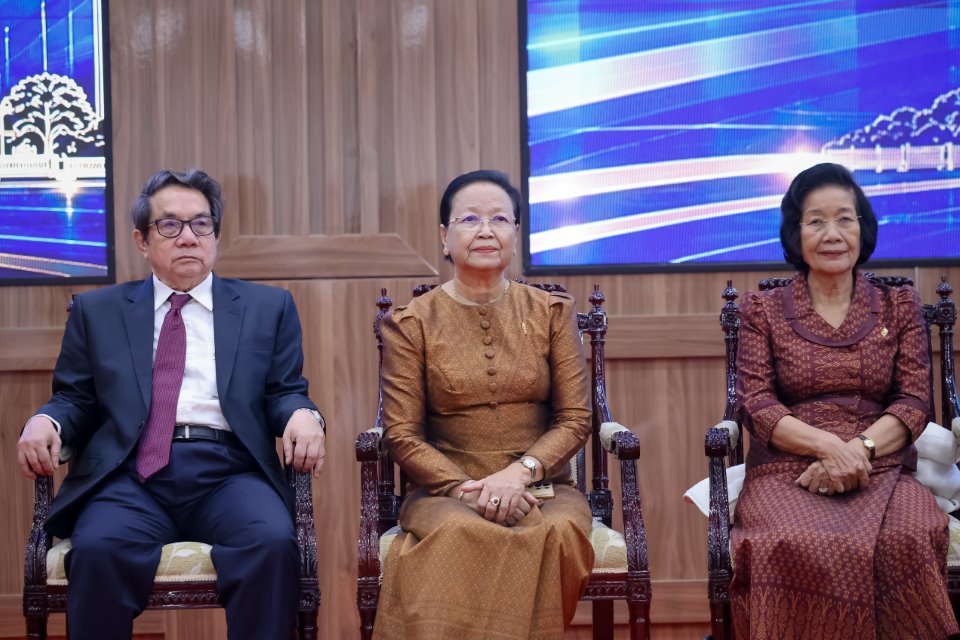
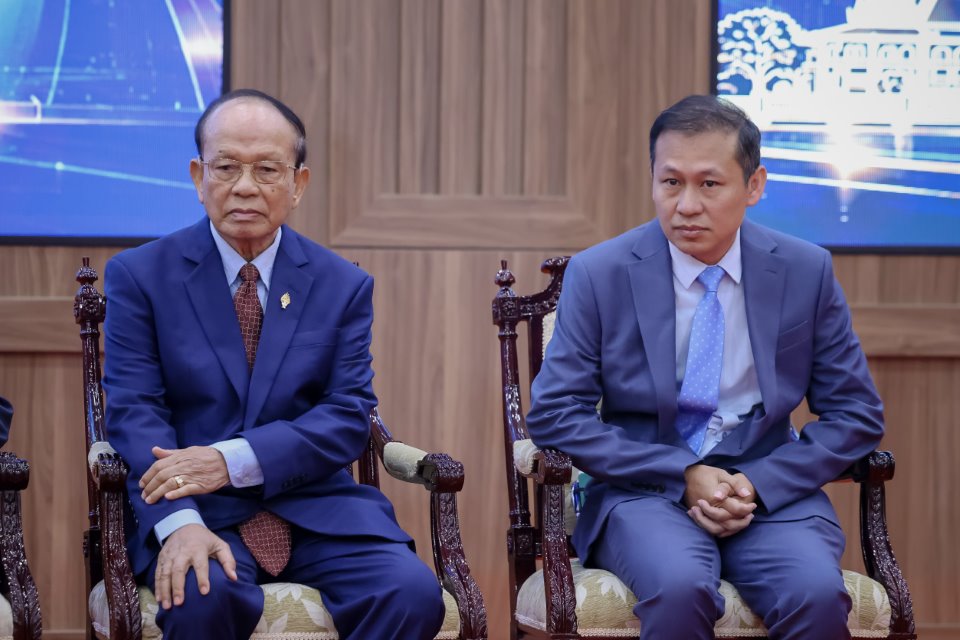
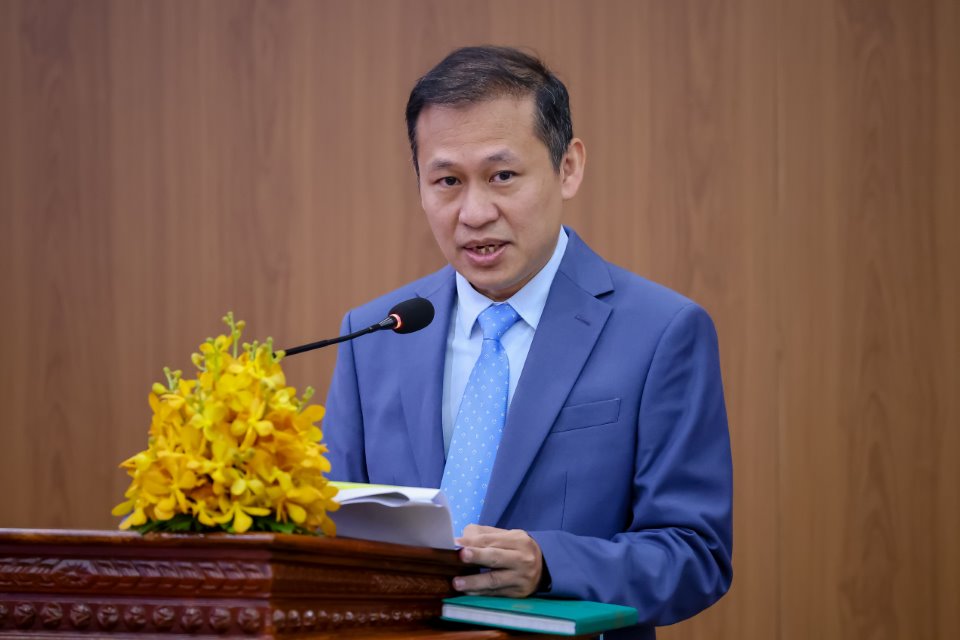
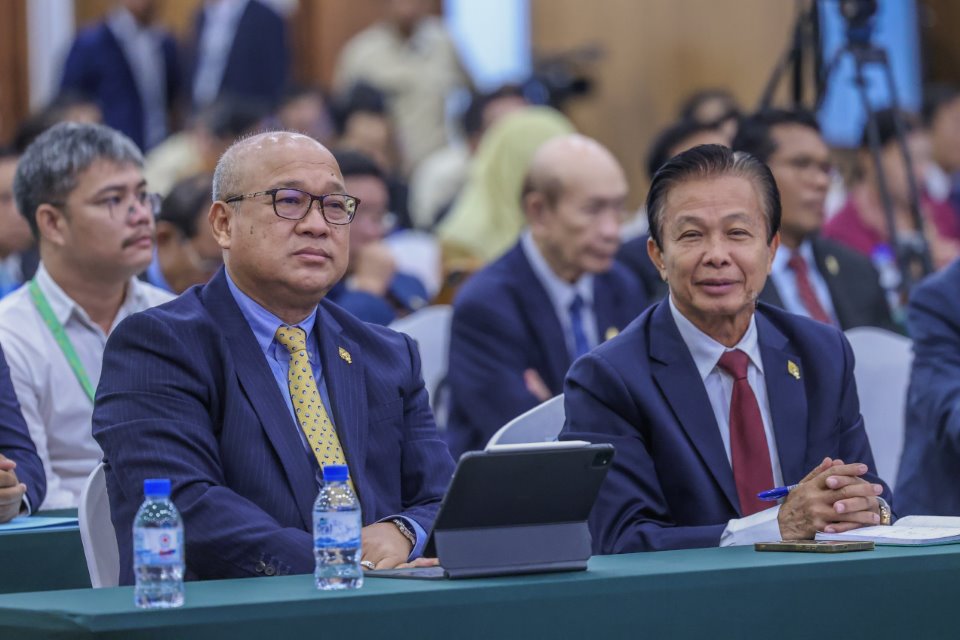
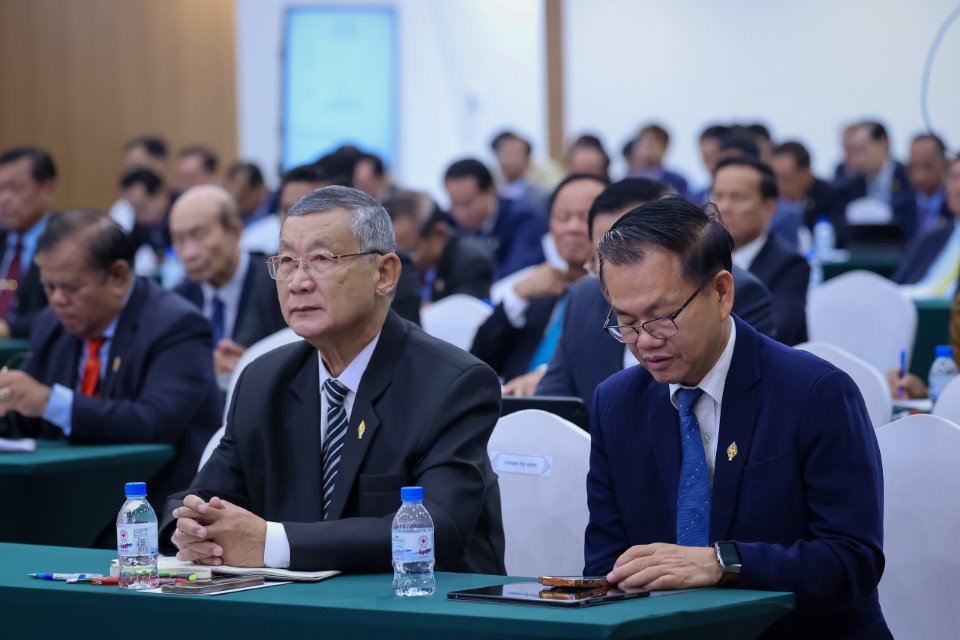
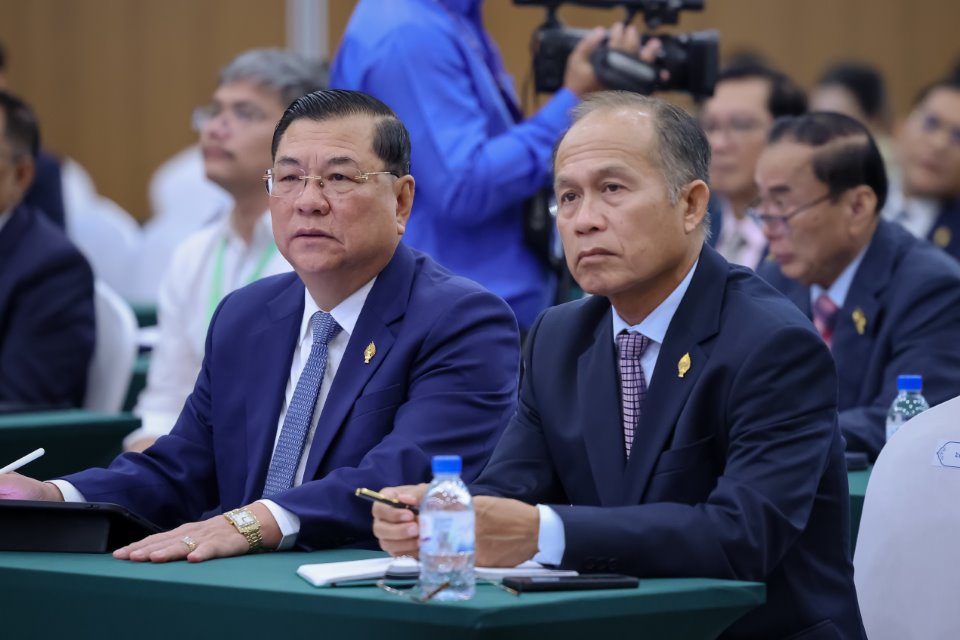
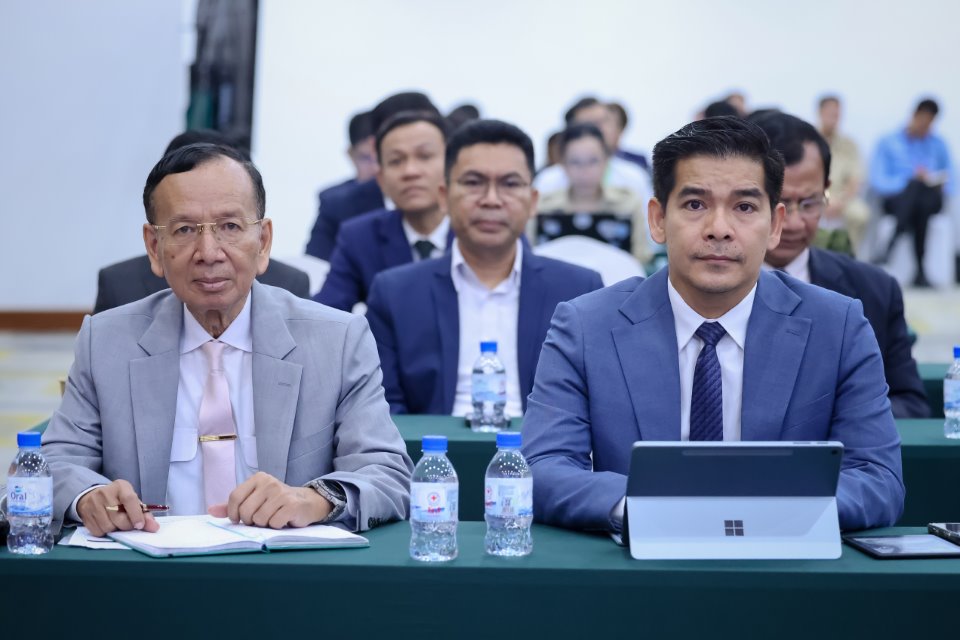
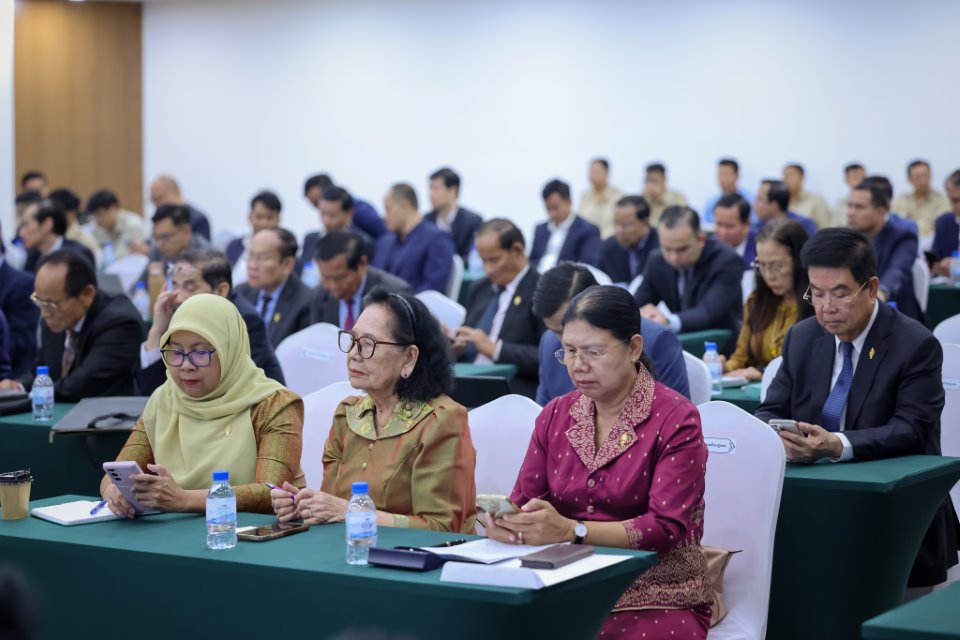
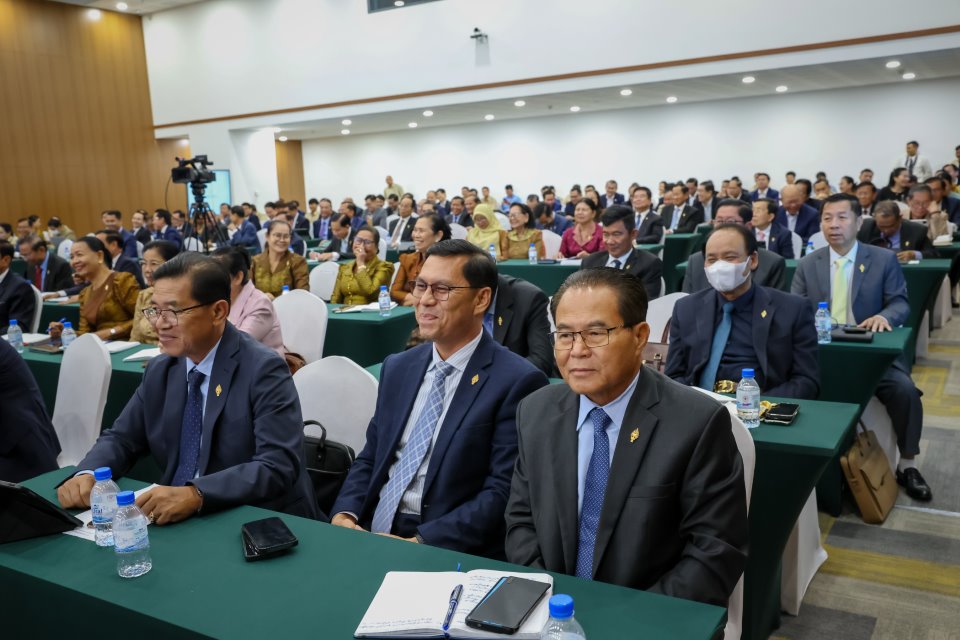
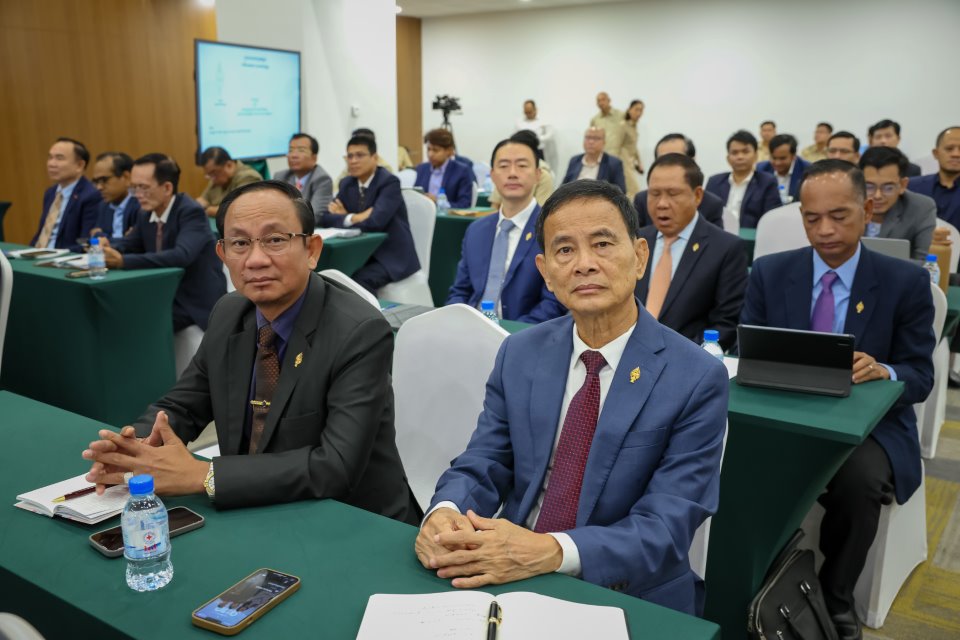
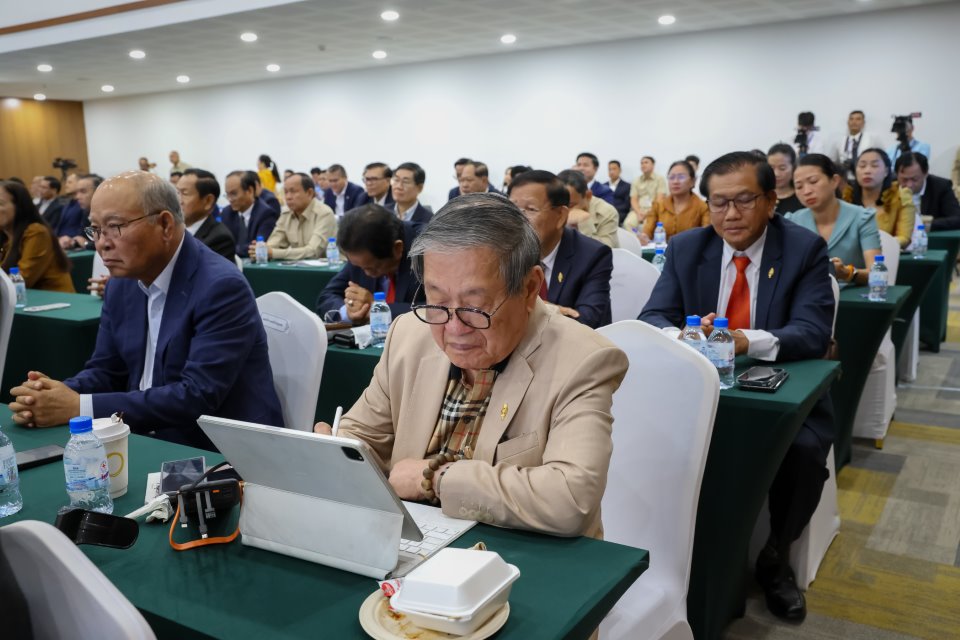
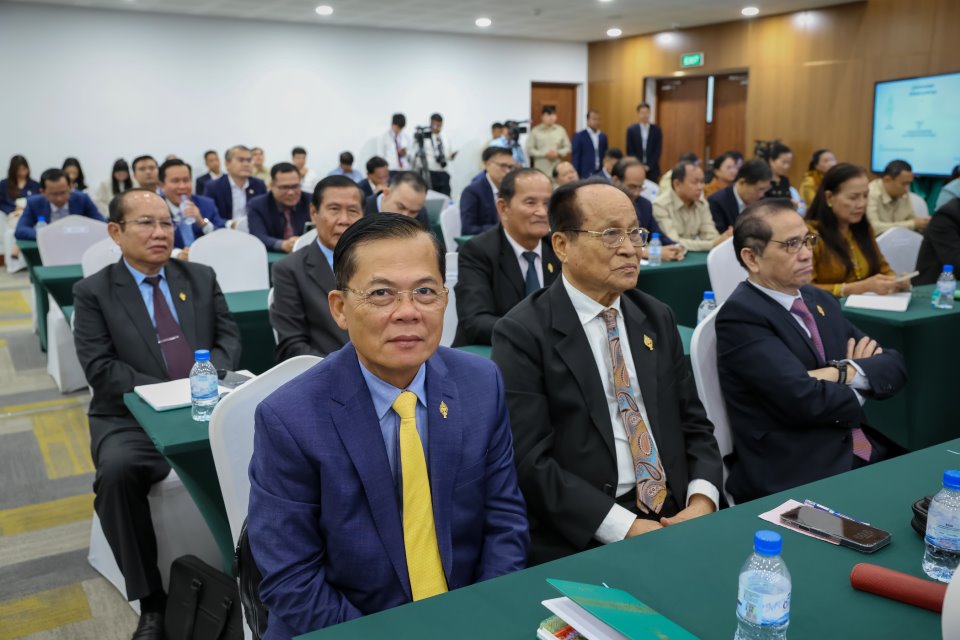
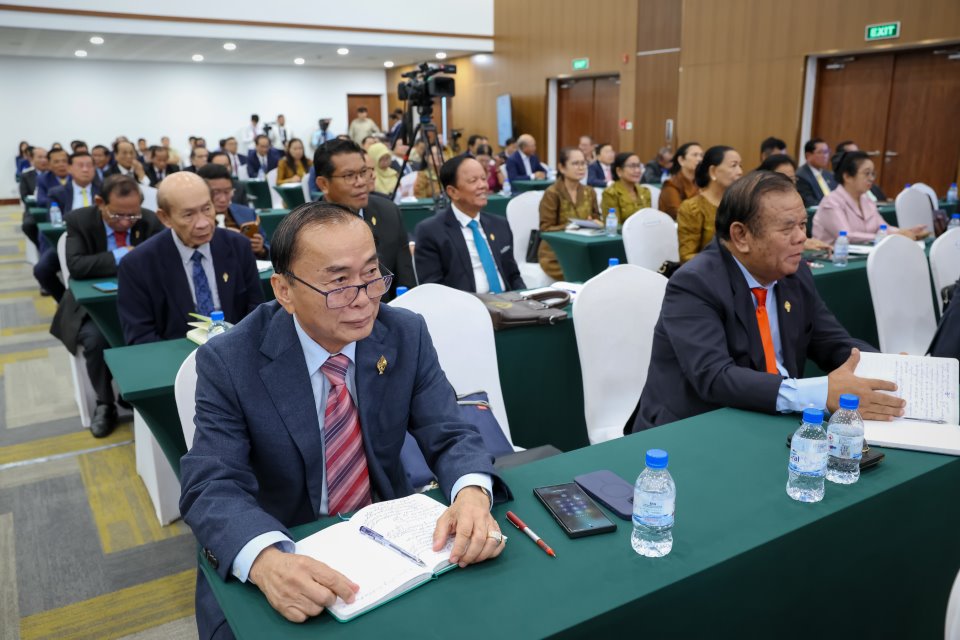
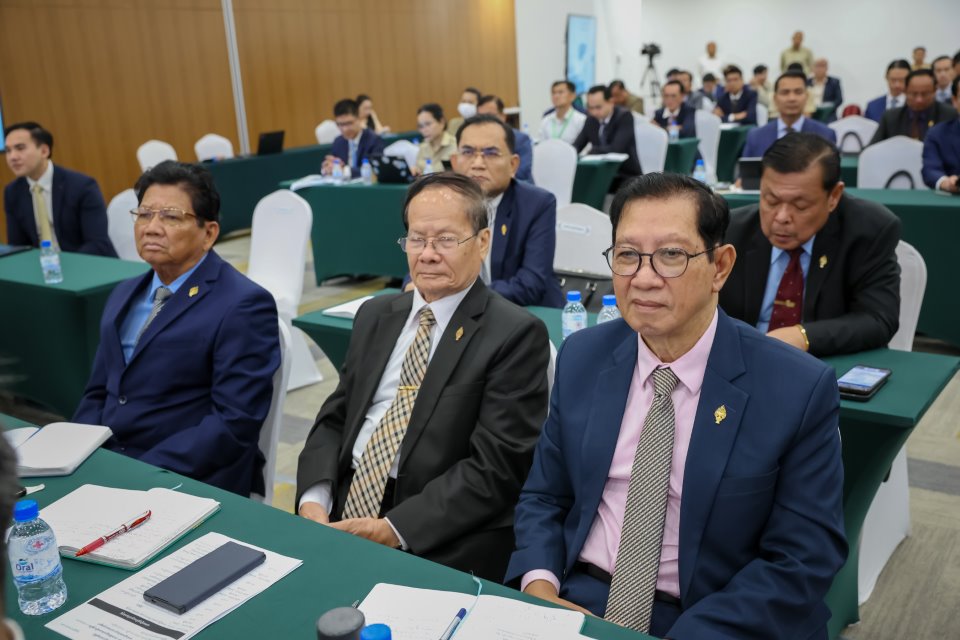
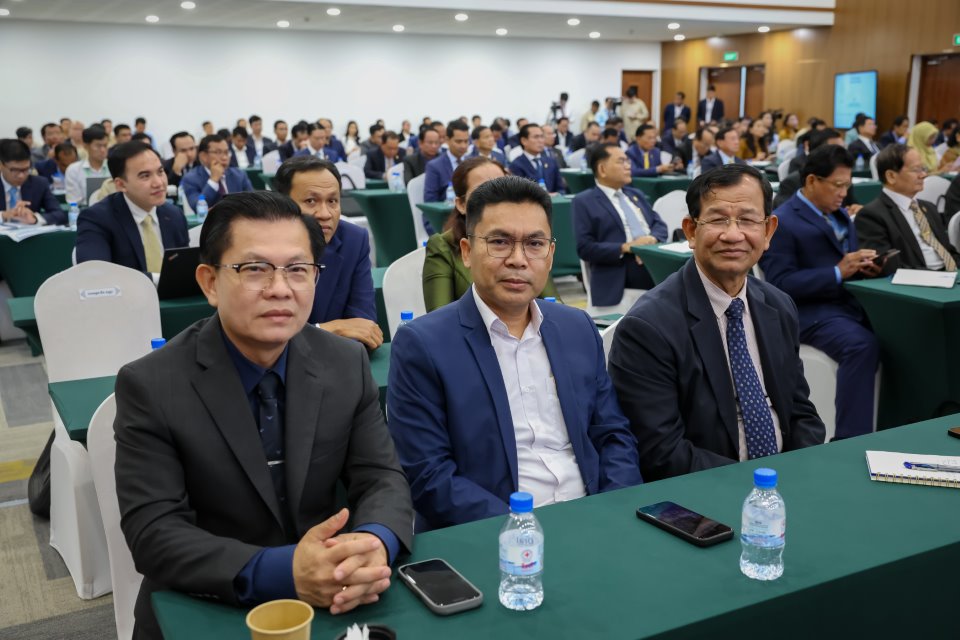
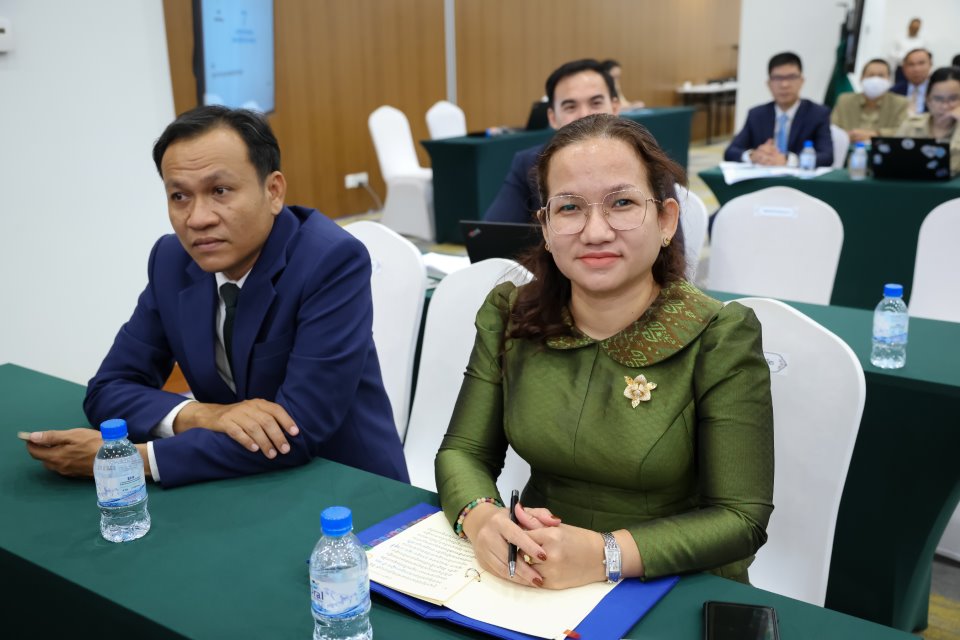
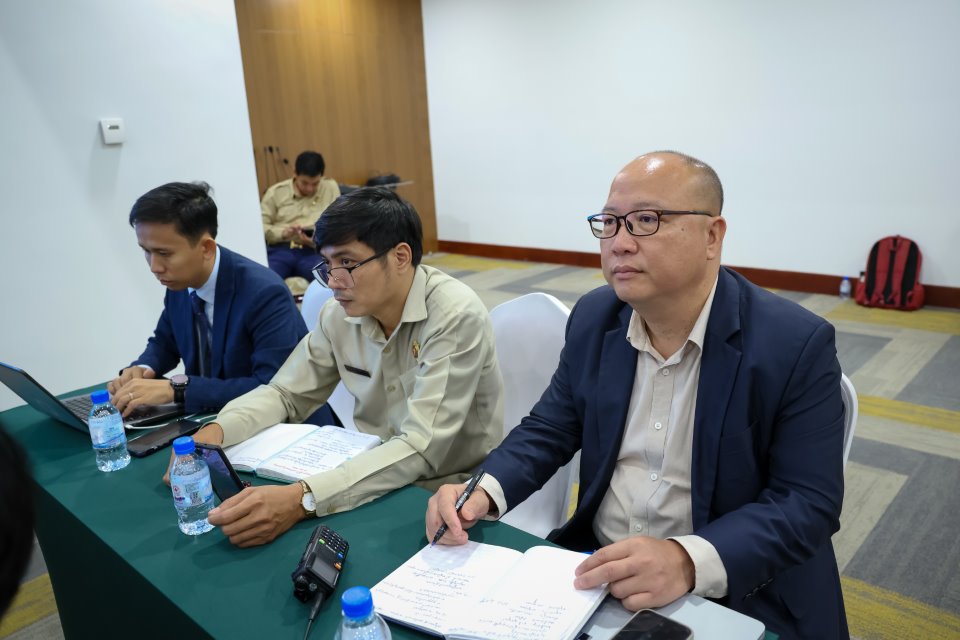
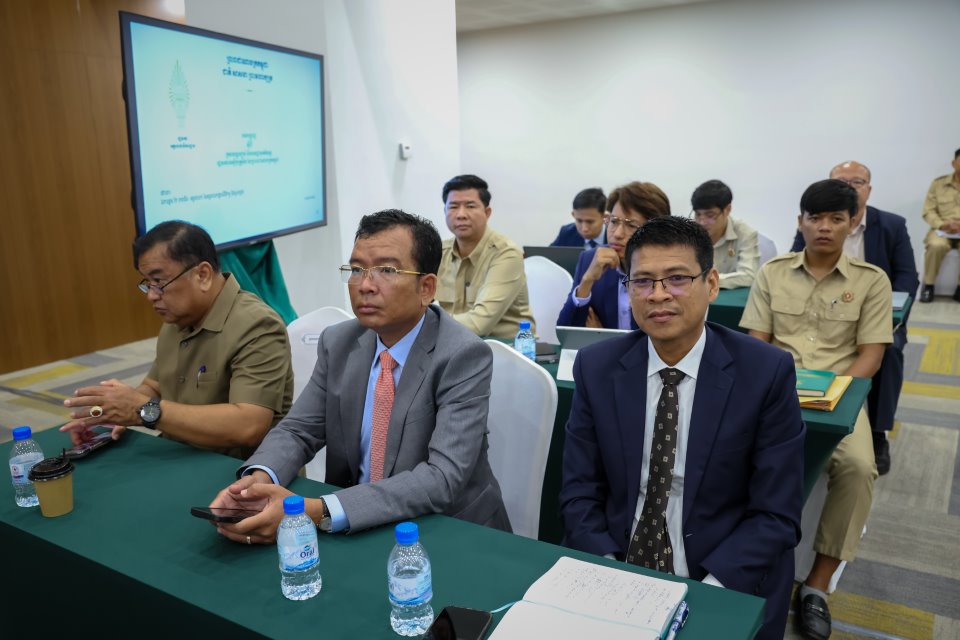
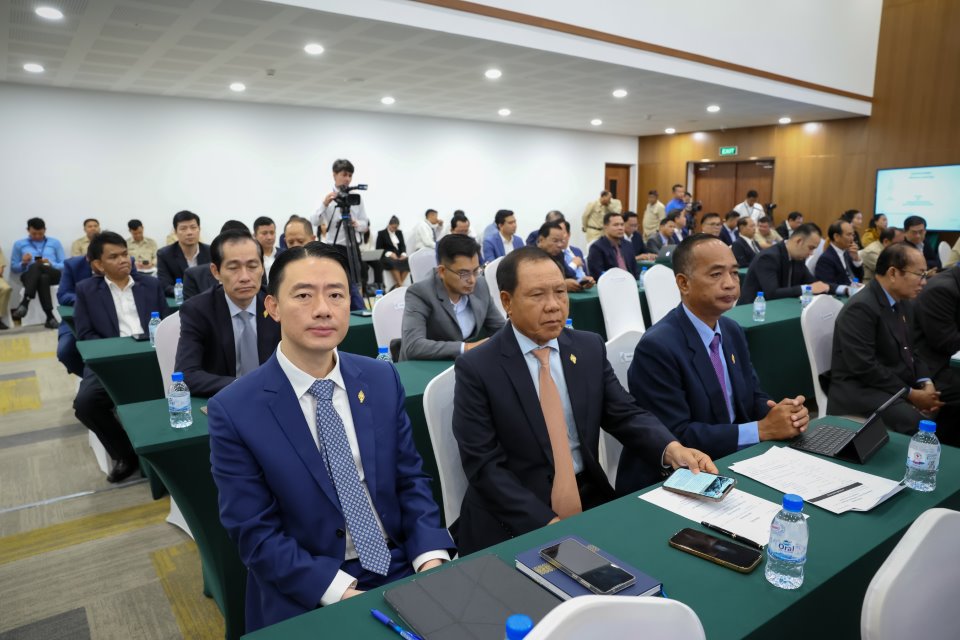
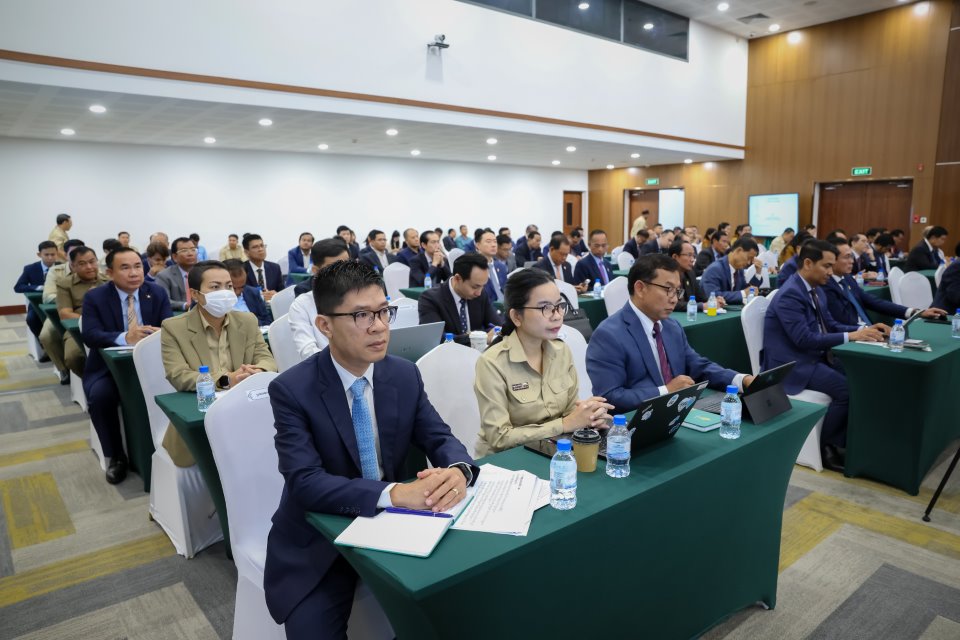
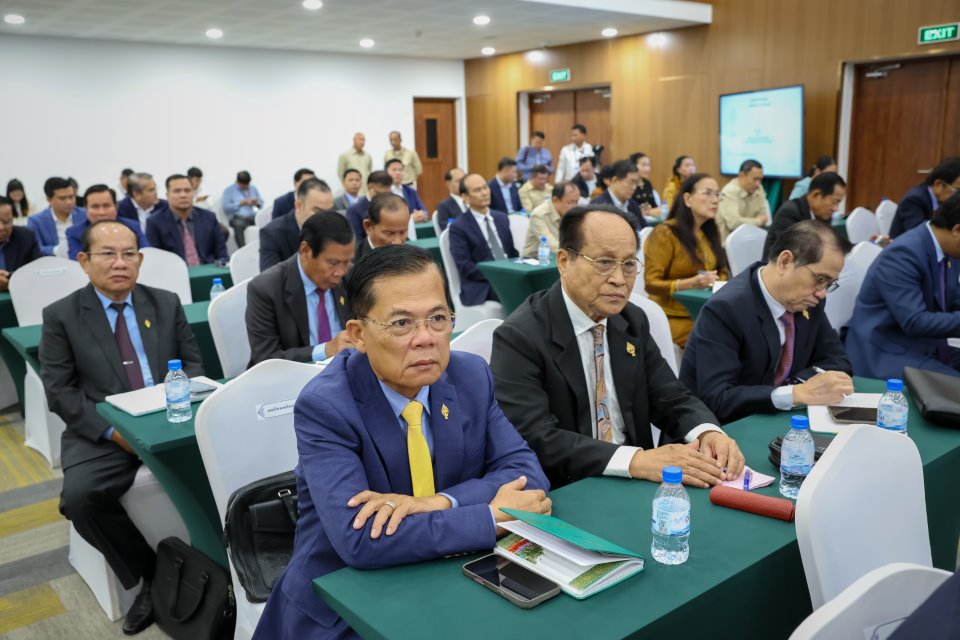
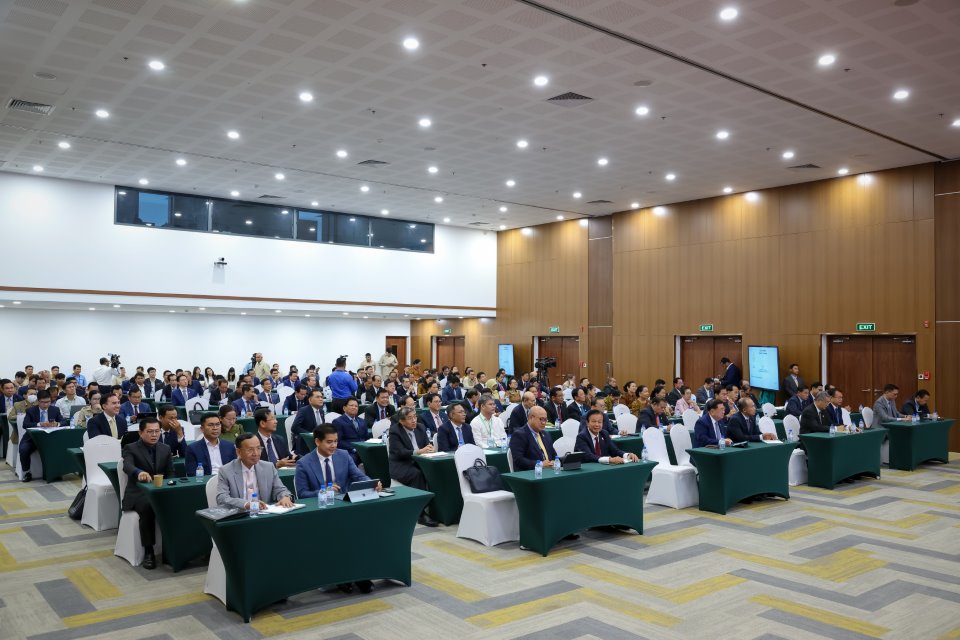
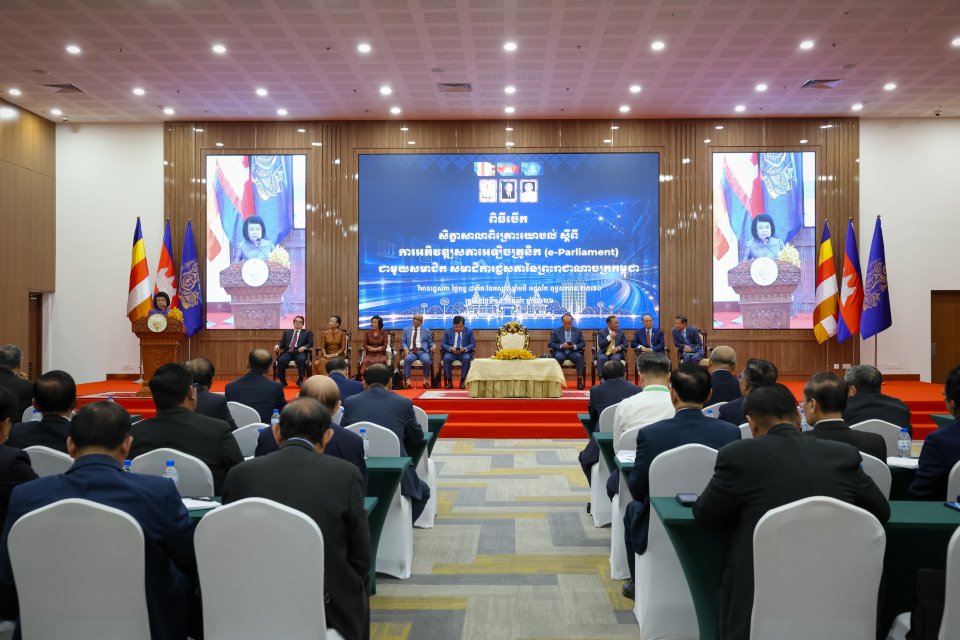
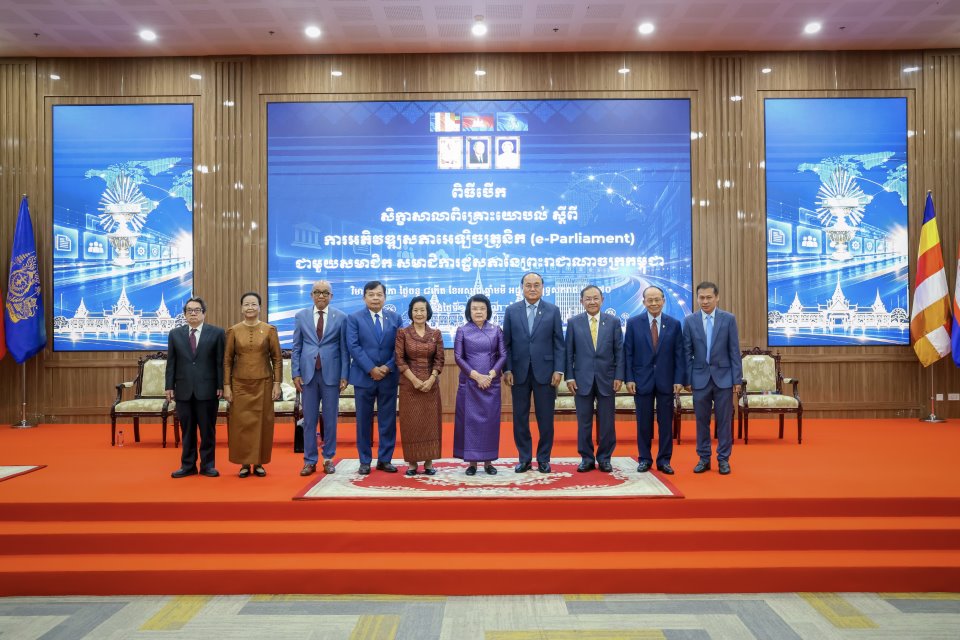
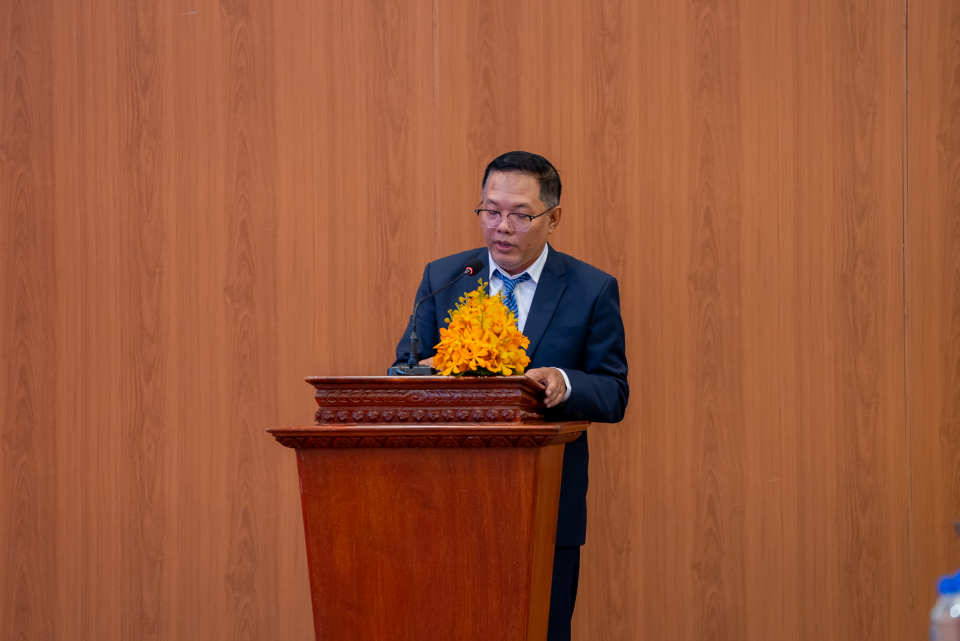
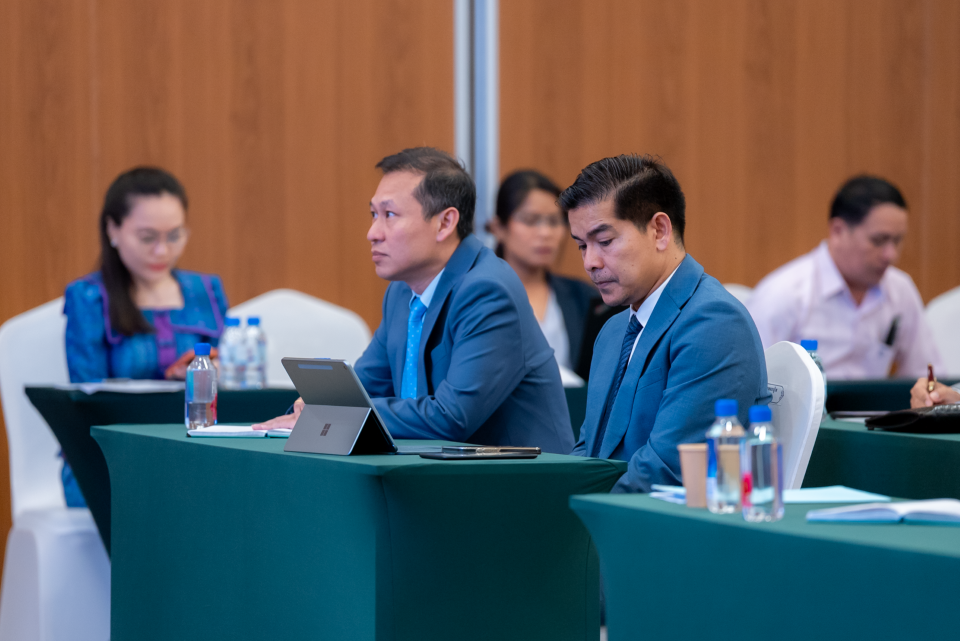
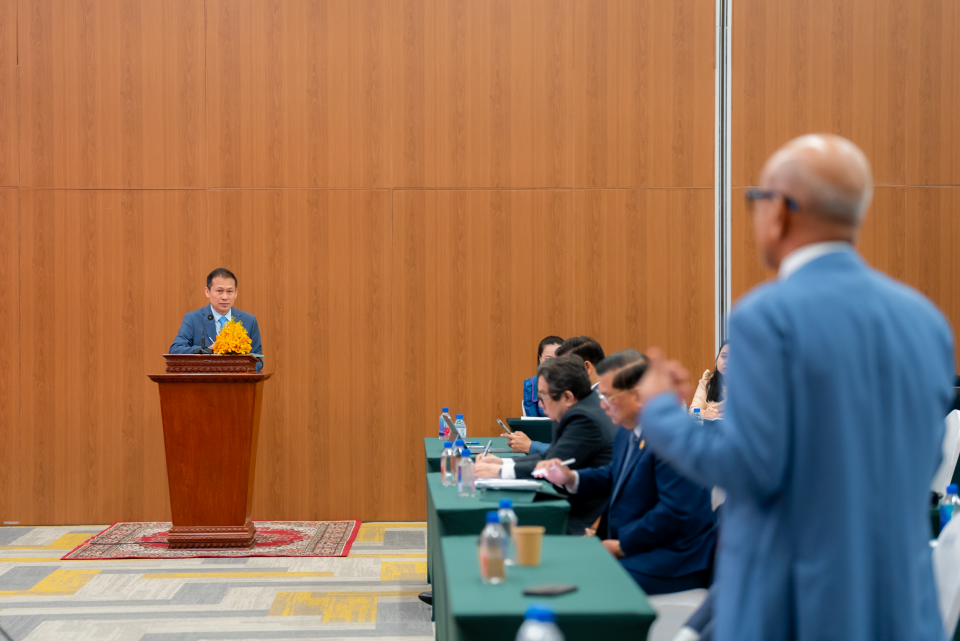
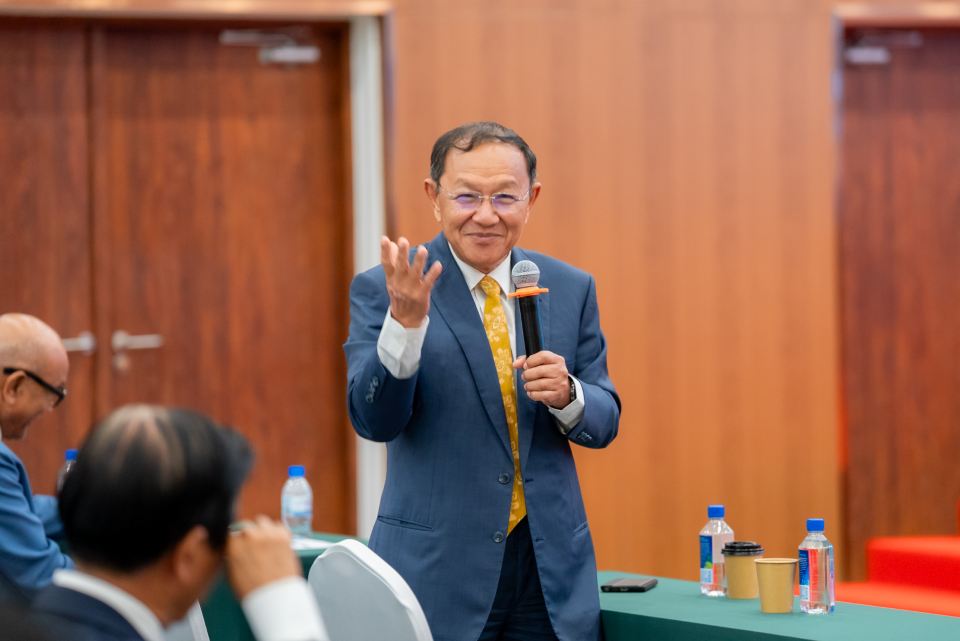
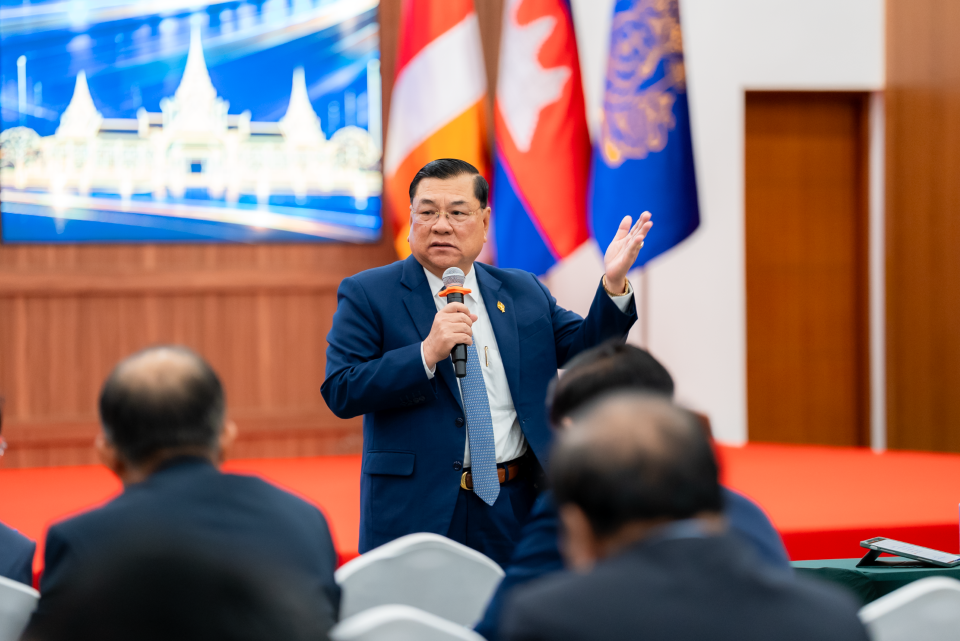
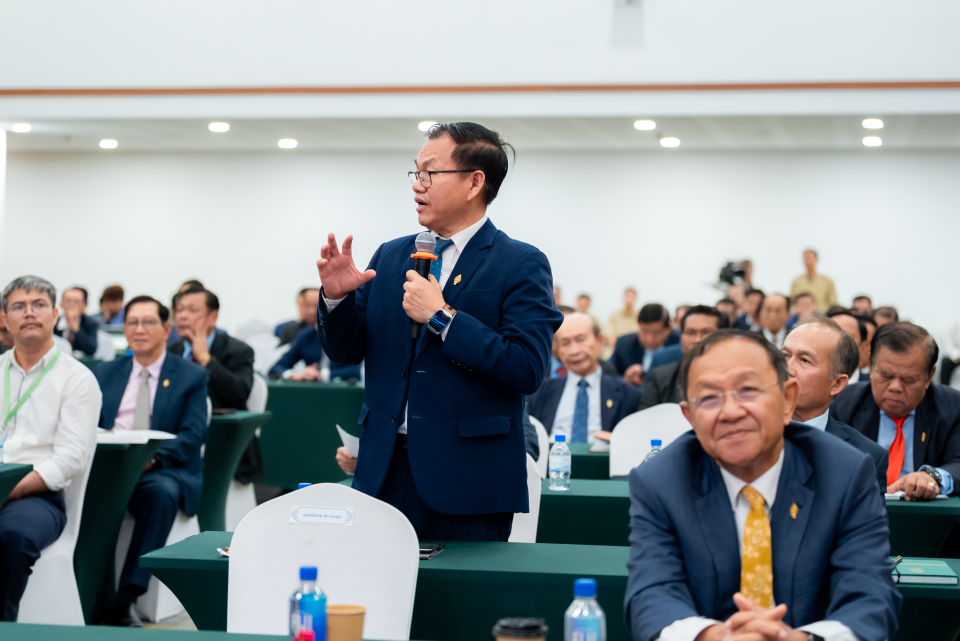
Phnom Penh, 19 October 2026 — The National Assembly of Cambodia convened a consultative workshop on the “Development of the e-Parliament System” at the National Assembly Palace on Monday morning to review progress and gather input ahead of the system's official launch.
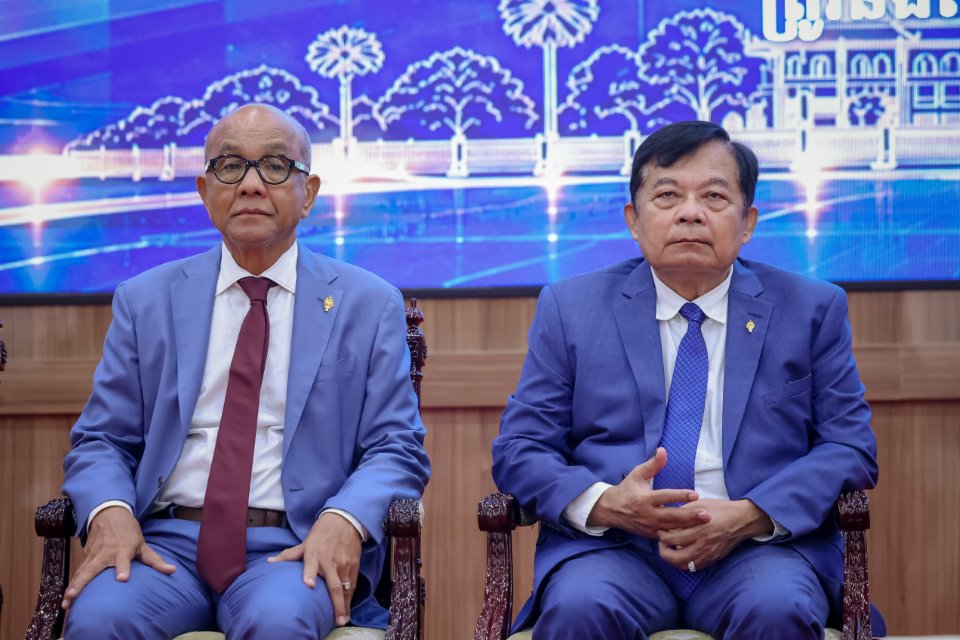
The workshop was presided over by Samdech Maha Rathsapheathika Thipadei Khuon Sudary, President of the National Assembly of Cambodia, and attended by chairpersons of parliamentary commissions, Members of the National Assembly and senior officials of the Secretariat-General.
Organized by the Secretariat-General, the workshop presented achievements in developing the e-Parliament system over the past three years and sought recommendations from Members of Parliament to ensure that it meets their practical needs.
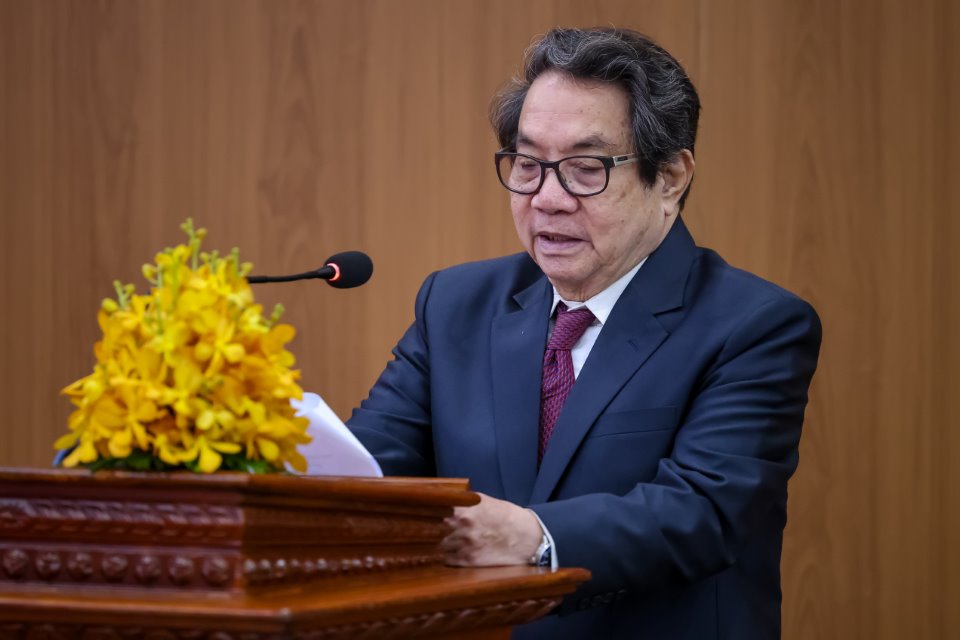
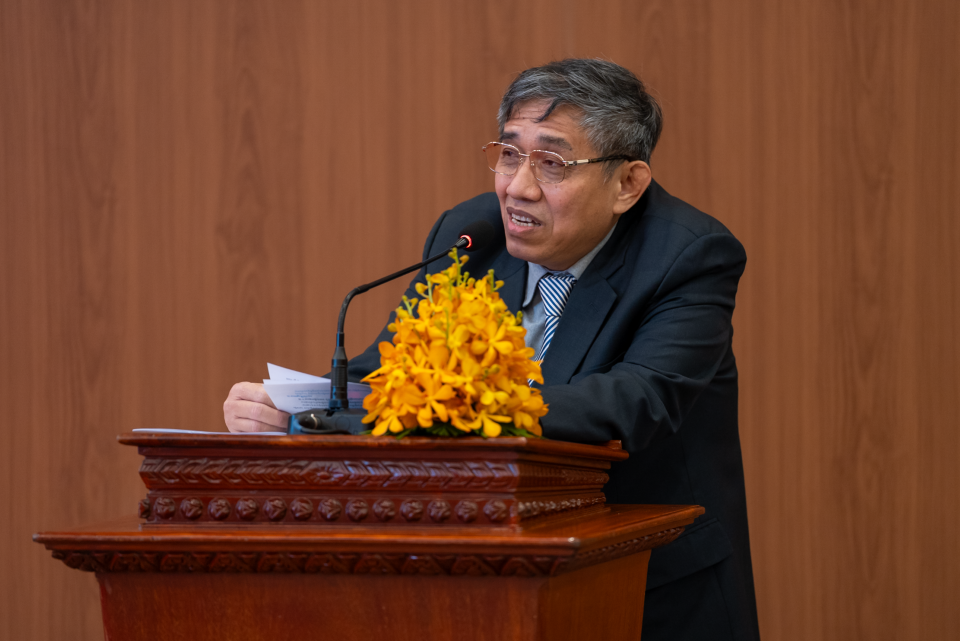
In his welcome speech, H.E. Leng Peng Long, Secretary-General of the National Assembly and Chairman of the e-Parliament Working Group, said the initiative was designed to strengthen good governance, support institutional reform and improve the effectiveness of parliamentary and administrative operations.
He emphasized that the consultation provided an opportunity to introduce the system's key functions and obtain practical input from Members of the National Assembly to further improve its development and ensure that it responds to their needs.
Presenting a progress report, H.E. Khuon Davith, Deputy Secretary-General of the National Assembly and Permanent Vice-Chairman of the e-Parliament Working Group, outlined major achievements since the Working Group was established in 2023.
He said the Working Group had conducted five study visits to parliamentary institutions in France, Hungary and South Korea, as well as Huawei's Research and Development Centre in Shanghai, China, to learn from international experience in developing digital parliaments and applying modern technologies to institutional management.
The Working Group had also cooperated with French parliamentary experts on legal and technical matters and worked closely with the Parliamentary Centre of Asia (PCAsia) to strengthen institutional capacity and exchange good practices.
Building on these experiences, the National Assembly has been developing a comprehensive digital ecosystem in cooperation with Blue Technology, the Ministry of Posts and Telecommunications and specialized IT experts. The initiative includes a new National Assembly Website, Mobile Applications and digital tools to support parliamentary and administrative operations.
Among the major achievements, H.E. Khuon Davith highlighted four priority functions for Members of Parliament—e-Profile, e-Meeting, e-Voting and e-Leave—along with nine administrative modules for the Secretariat-General, covering personnel, meetings, attendance, missions, payroll, assets, documents and archives.
The Working Group has also installed modern electronic equipment, developed a new data management system and published four strategic and operational documents, including the Master Plan for e-Parliament Development (2023–2033) and three user guides.
Looking ahead, H.E. Khuon Davith said the Working Group was strengthening cybersecurity measures and preparing digital skills training for parliamentary officials. Future development would also include a National Assembly artificial intelligence assistant (NA AI) to support legislative research, document analysis, translation and other parliamentary tasks.
Samdech Khuon Sudary commended the dedication of the Secretariat-General's leadership and officials, particularly H.E. Leng Peng Long, H.E. Khuon Davith and H.E. Dr. Ly Cheng, Vice-Chairman of the National Assembly's Ninth Commission and Senior Adviser to the e-Parliament Working Group, for their contributions to the development of the system.