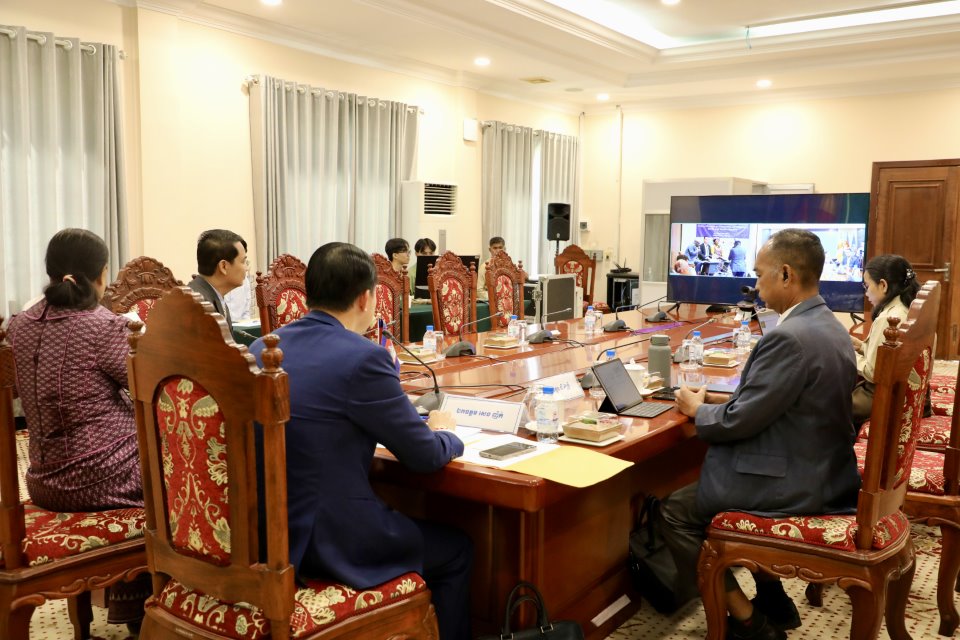
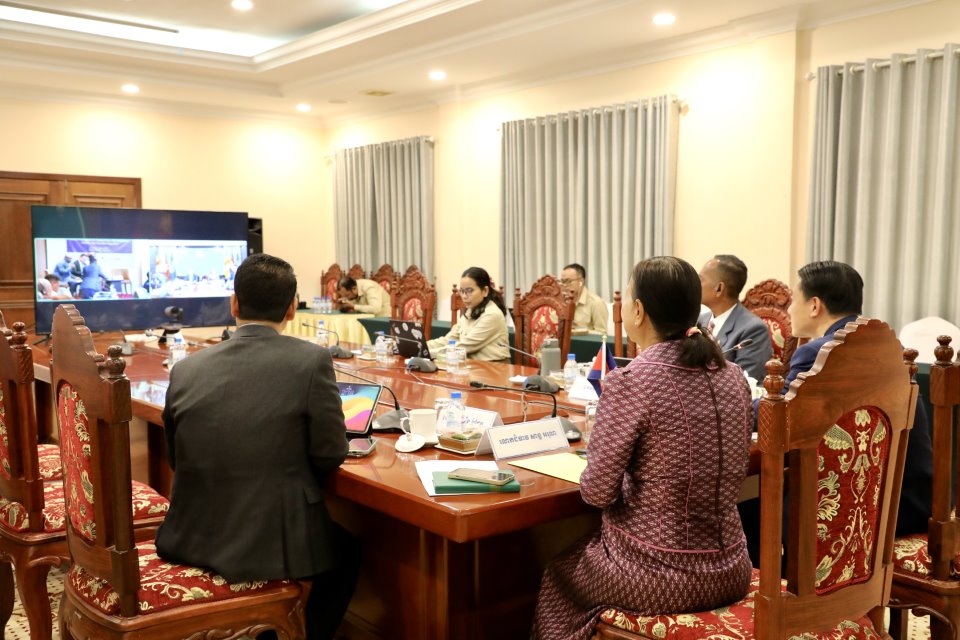
Addis Ababa, 3 November 2026. A young nation betting on skills, a country rethinking family life as births fall, and a kingdom tracking every dollar of health funding delivered one message at the Africa–Asia Parliamentary Policy Dialogue. Laws matter only when they are funded, implemented and held to account.
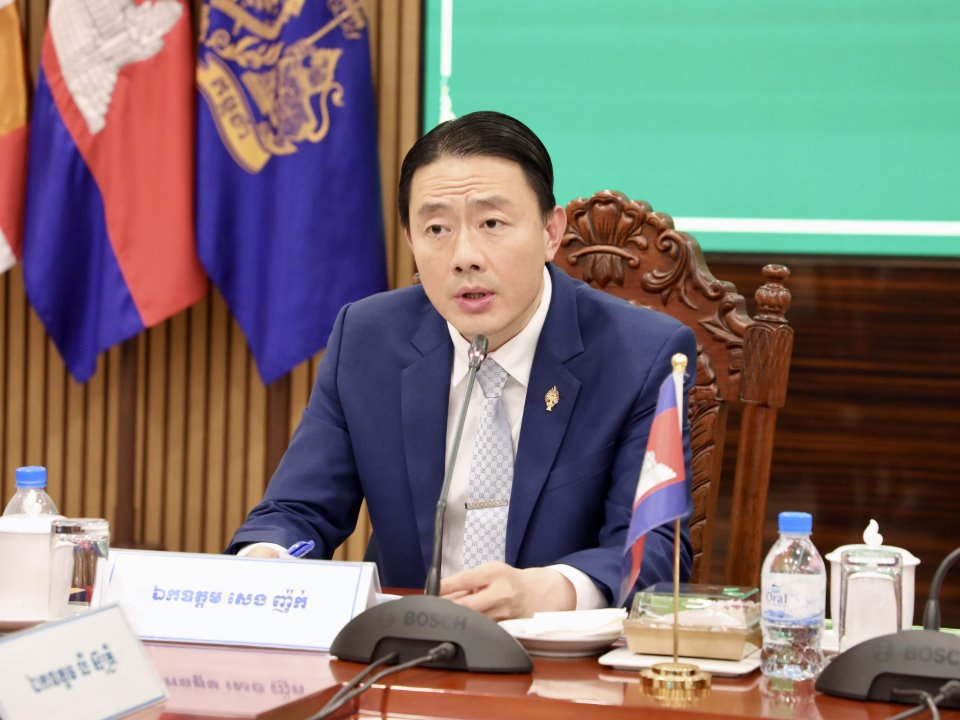
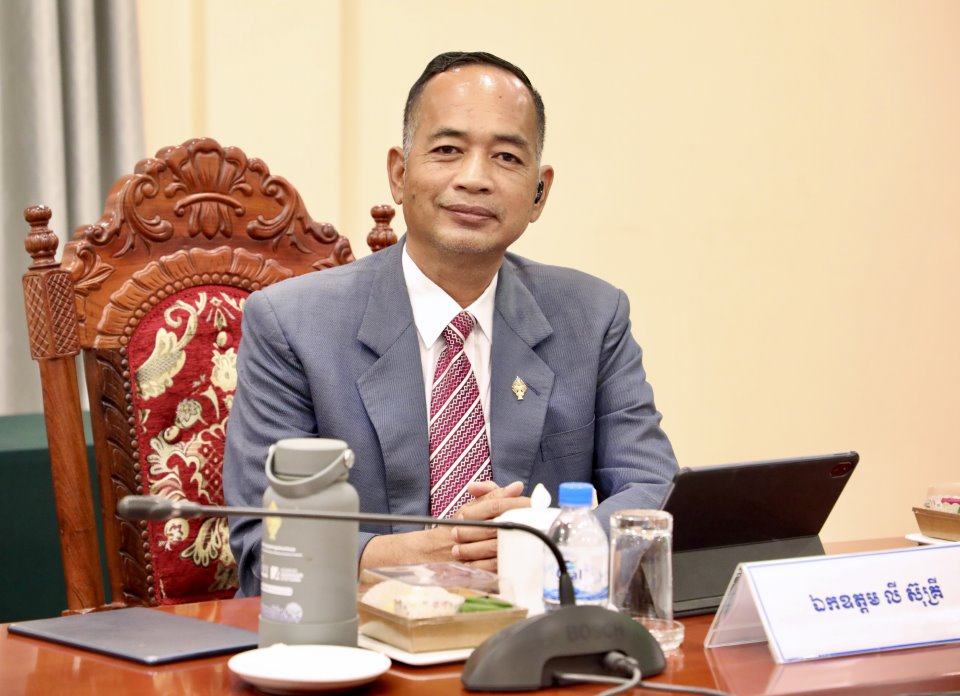
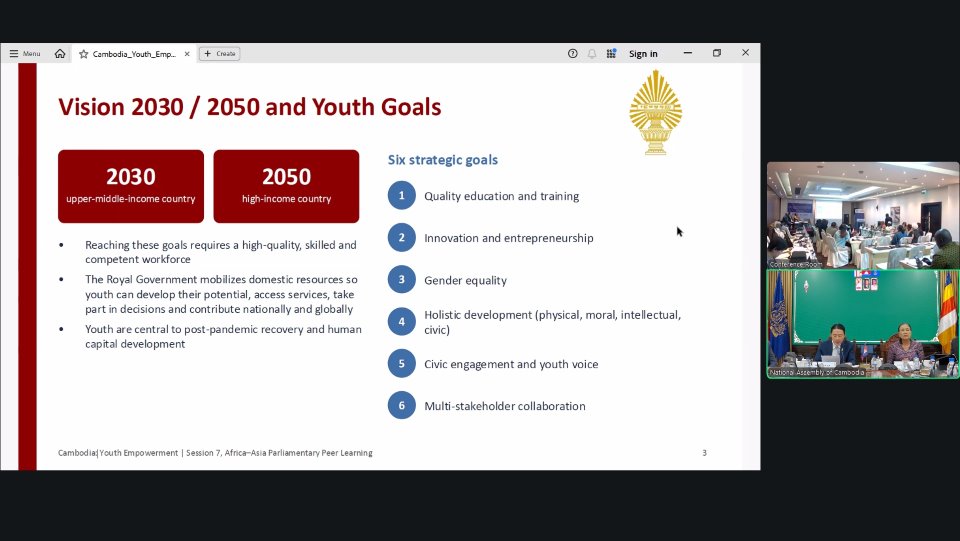
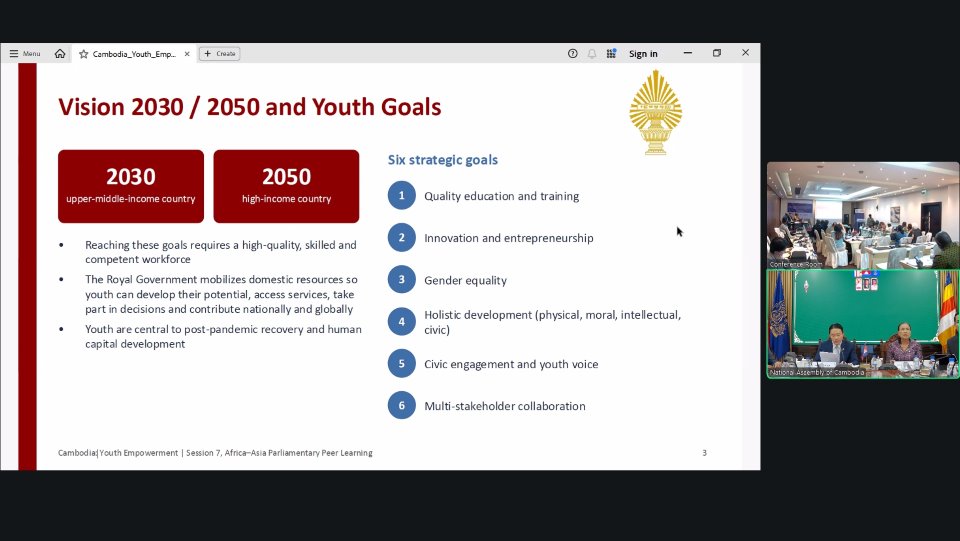
Hon. Seng Nhak, Member of the Commission 8th of the National Assembly and Member of CAPPD, said nearly two-thirds of Cambodia’s 18 million people are under 30, including 3.8 million aged 15-30. To reach upper-middle-income status by 2030 and high-income status by 2050, the country needs a skilled workforce. About 11% of the 2026 budget, goes to education, youth and sport, and 16 young MPs (12.8%) now sit in the parliament.
After Grade 9, students can choose a vocational track, and its TVC 3 certificate is legally equal to the high school diploma, so graduates can start work or go to university. The flagship program for 1.5 million youth offers free training in 38 skills across 10 sectors, plus a stipend of about $70 a month for young people from poor and vulnerable families. About 80% of vocational graduates find work within six months, and about 800,000 jobs were generated in 2025. The main challenge is the belief that vocational training is a fallback, despite near-100% graduate employment.
According to Malaysian MP, with fertility at 1.5, below replacement since 2013, Malaysia has shifted from population control to family well-being, recognizing that living costs, jobs and childcare shape family choices. It strengthened parliament through the Parliamentary Services Act 2025, which took effect on 1 October 2026, and its Dewan Rakyat endorsed a 15-year Health White Paper. Health funding rises to RM47.7 billion in 2027. Automatic voter registration enrolled nearly 1.4 million voters aged 18–20 in 2022. Challenges include 881 underage marriages in 2022–2024 and gaps in data.
From Senator Sylvia Mthethwa, said that Eswatini is tracking on gender responsive budgeting. She said that 20.4% of married women and 46.2% of sexually active unmarried girls aged 15-19 have unmet family planning needs. Eswatini has committed $117,500 a year to UNFPA for reproductive health supplies. She urged parliaments to ask, before adopting the national budget, what services cost, where shortfalls lie and whether funds reach communities.
The session shared lesson, where legislation, financing, implementation and accountability must work together, with young people given a real voice in the decisions that shape their future.